


kWp, kWac and kWh: three numbers to check in a solar proposal
Capacity, power and energy are not interchangeable. kWp usually describes the panels’ rated peak DC capacity, kWac identifies an AC-side rating, and kWh measures energy over time. Ask the supplier to label the measurement point and assumptions; a large capacity number alone is not a monthly saving.
Compare the same measurement
Two proposals can use different headline units. Ask for both the module schedule and inverter schedule, with model numbers. Do not compare one system’s panel rating with another system’s AC limit and call the difference extra production.
Read an estimate as an estimate
A monthly generation forecast needs assumptions about weather, shading, orientation and system losses. A bill-saving estimate adds usage timing and tariff treatment. Keep these steps visible instead of multiplying nameplate capacity by an unexplained savings factor.
Make the quotation understandable
Request a short plain-language table showing installed ratings, forecast energy, expected onsite use and export assumptions. Ask which figures are measured and which are modelled. A transparent explanation is more useful than a page of formulas without inputs.
Before you decide
- Check units and DC or AC labels beside every system-size number.
- Ask for equipment model numbers and the basis of the forecast.
- Keep generation kWh, grid imports kWh and bill savings RM separate.
- Request a qualified design review instead of treating this vocabulary guide as engineering approval.
Discuss your property with HOMI
Homi Solar Malaysia can help turn these questions into a clear property brief. Start with your location, electricity use and the decision you need to make. Keep bills, identity records and detailed customer information in an appropriate private channel, not public comments. An initial discussion is not engineering approval, an accepted quotation or a rebate decision. Ask for a dated written scope, the assumptions used, exclusions and the next responsible party. Recheck changing policy with the relevant authority before committing; do not treat a general article as a personalised design or a guaranteed outcome.
Solar ATAP guide · Installation projects · Contact HOMI
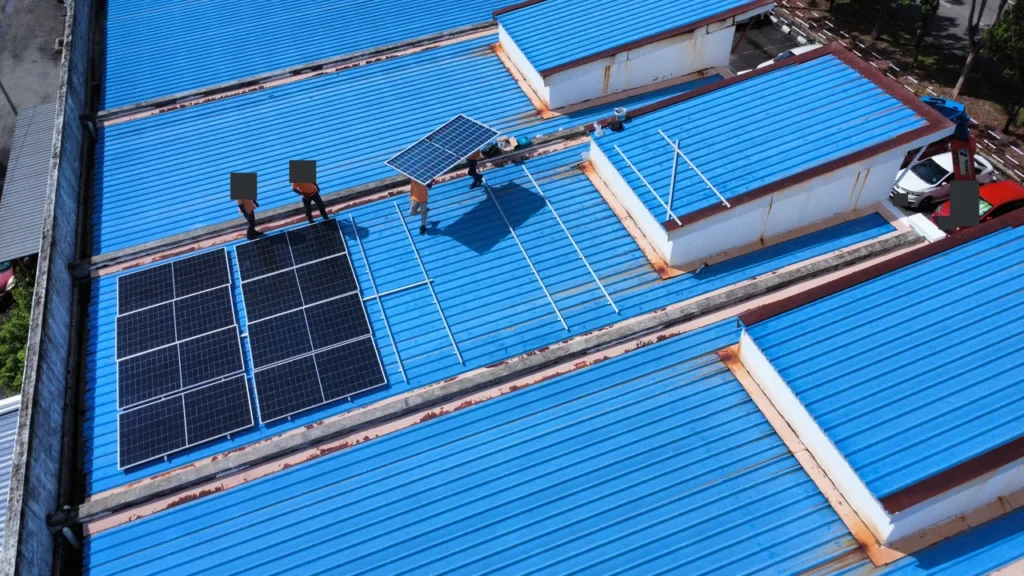
Cover: an approved HOMI rooftop-project photograph reused as an illustration. Faces and vehicle identifiers have been privacy-redacted. It is not evidence of the equipment or results discussed in this guide.
Frequently asked questions
Does 1 kW mean 1 kWh every hour?
Not automatically. Actual energy depends on operating power over time and site conditions.
Can more panel capacity always export more electricity?
No. The inverter, approved connection and programme requirements must all be considered.
What should I send HOMI?
Homi Solar Malaysia can start with the bill and proposal schedule. Do not send passwords or private portal access.
This article reflects official information checked on 1 October 2026 and is general guidance. Programme rules, tariff treatment, approval and actual savings remain subject to the latest PETRA, SEDA, Energy Commission and TNB requirements plus the property bill, roof and usage pattern.
Official sources
Want HOMI to review your TNB bill?
Send your usage pattern and HOMI can estimate whether Solar ATAP makes sense for your home or business.
Discuss My Solar Plan