


Solar and ESG: keep generation evidence before making carbon claims
Build a traceable energy record before publishing an environmental claim. Solar generation, electricity used on site, export and estimated avoided emissions are different measures. No carbon factor, certificate entitlement or reporting compliance is established by this guide.
Define the data boundary
Record the system, meter or monitoring source, date range and units. Mark missing periods, maintenance and changes to equipment. Keep measured results separate from forecasts. If several sites are combined, preserve the individual records and explain aggregation rather than presenting an unexplained portfolio total.
Make the calculation reviewable
Any emissions calculation needs an identified methodology, appropriate factor, factor year and treatment of exported energy or environmental attributes. Have the relevant reporting specialist review the approach. Do not invent a Malaysian emissions factor or describe a generic online estimate as independently verified.
Publish evidence without private data
A case summary can show approved site type, reporting period and measured generation with limitations. Remove personal accounts, precise customer information and internal facility details. State whether figures are measured, modelled or illustrative. Technical monitoring guidance is not a certification service and does not endorse a corporate sustainability claim.
Before you decide
- Record source, period, unit and missing-data handling.
- Separate forecasts, generation, consumption and export.
- Identify methodology, factor and environmental-attribute treatment.
- Obtain approval for the public case and protect private records.
Discuss your property with HOMI
Homi Solar Malaysia can help turn these questions into a clear property brief. Start with your location, electricity use and the decision you need to make. Keep bills, identity records and detailed customer information in an appropriate private channel, not public comments. An initial discussion is not engineering approval, an accepted quotation or a rebate decision. Ask for a dated written scope, the assumptions used, exclusions and the next responsible party. Recheck changing policy with the relevant authority before committing; do not treat a general article as a personalised design or a guaranteed outcome.
Solar ATAP guide · Installation projects · Contact HOMI
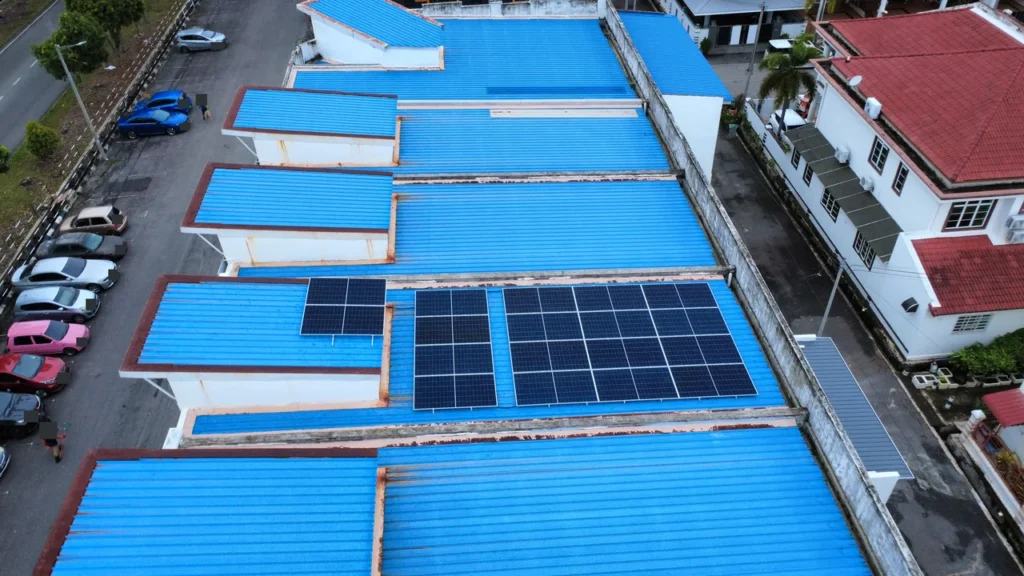
Cover: an approved HOMI rooftop-project photograph reused as an illustration. Faces and vehicle identifiers have been privacy-redacted. It is not evidence of the equipment or results discussed in this guide.
Frequently asked questions
Is an inverter screenshot a carbon certificate?
No. It is a monitoring record, not proof of certification or ownership of environmental attributes.
Can forecast output be reported as actual generation?
No. Keep modelled and measured figures clearly separate.
Does installing solar automatically prove ESG compliance?
No. Applicable reporting boundaries and verification need their own review.
This article reflects official information checked on 1 October 2026 and is general guidance. Programme rules, tariff treatment, approval and actual savings remain subject to the latest PETRA, SEDA, Energy Commission and TNB requirements plus the property bill, roof and usage pattern.
Official sources
Want HOMI to review your TNB bill?
Send your usage pattern and HOMI can estimate whether Solar ATAP makes sense for your home or business.
Discuss My Solar Plan