


Solar ATAP 2026 Planning for Malaysian Homes and Businesses
Homify reviews your TNB bill, roof condition, daytime usage and project goal before recommending system size, savings direction and next steps.
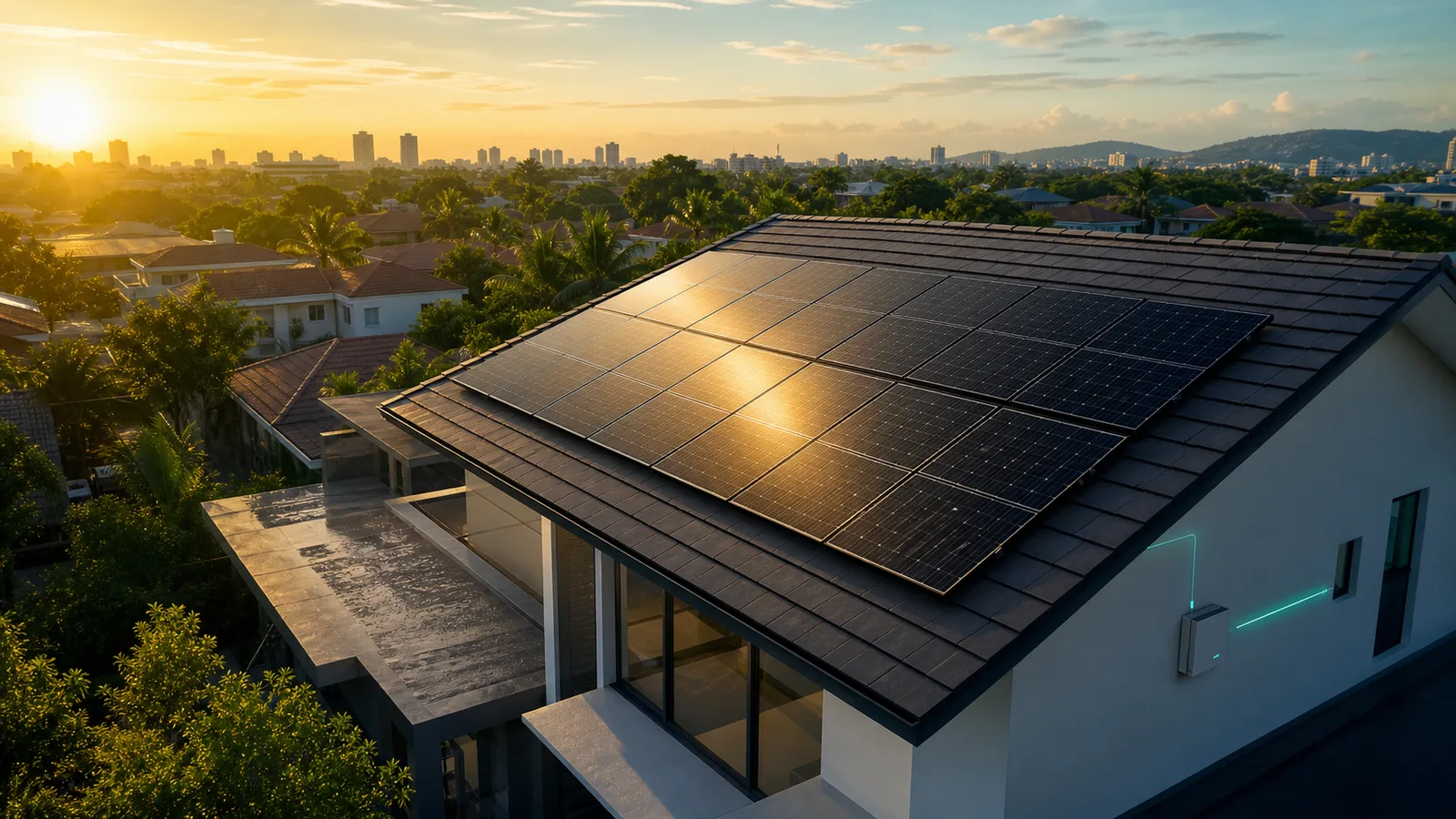
What is ATAP?
A practical framework to plan solar self-consumption, export assumptions and bill-saving direction before committing to installation.
NEM vs ATAP
Homify explains the difference in simple numbers so you understand what affects your monthly TNB bill.
Before site visit
Start with bill data, usage pattern and roof readiness, then decide if a survey is worth arranging.
Malaysia solar policy and TNB tariff changes now affect every quote
Solar ATAP, SuRIA Home, RP4 tariff restructuring, AFA fuel adjustment and ToU timing can change the right system size. Homify now checks policy, bill structure and Facebook field updates before recommending a route.
Solar ATAP 2026
eATAP is live from 1 Jan 2026. Domestic capacity limits and non-domestic maximum demand rules should be checked before quotation.
SuRIA Home rebate
Eligible domestic Solar ATAP customers may receive RM600/kWac up to RM3,000 while allocation and commissioning conditions remain available.
TNB RP4 / AFA / ToU
Tariff categories, monthly fuel adjustment and peak/off-peak timing can change savings assumptions for homes and businesses.
Estimate Your Solar Savings
Use your monthly TNB usage to estimate system size, ATAP credit, monthly savings, and payback period.
- Domestic Solar ATAP approval depends on connection phase; single-phase systems are usually planned around 5 kWAC, while three-phase systems may go up to 15 kWAC before additional technical checks.
- SuRIA Home may provide eligible domestic Solar ATAP customers a one-time rebate of RM600/kWac up to RM3,000, subject to quota, commissioning deadline, and official terms.
- Non-domestic export credit should be reviewed against Average SMP before quotation, because SMP changes with market settlement periods.
Estimates are based on editable TNB 2026 tariff assumptions, domestic ATAP credit assumptions, and non-domestic Average SMP assumptions. Actual savings depend on roof condition, approved system size, irradiation, usage pattern, settlement period, and authority approval.