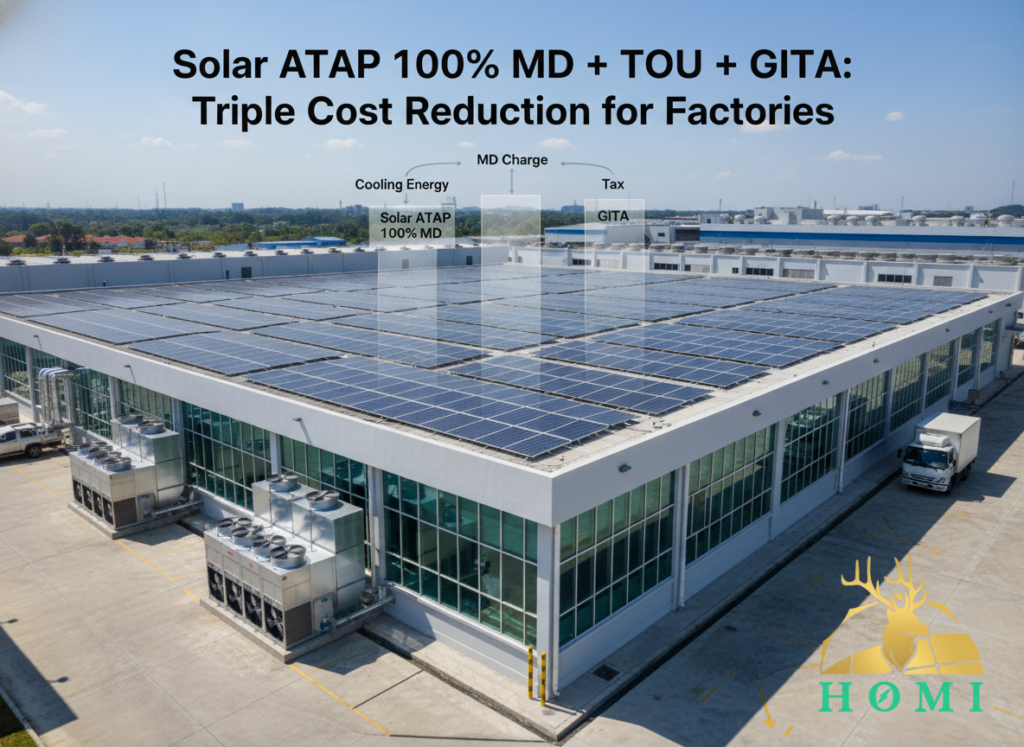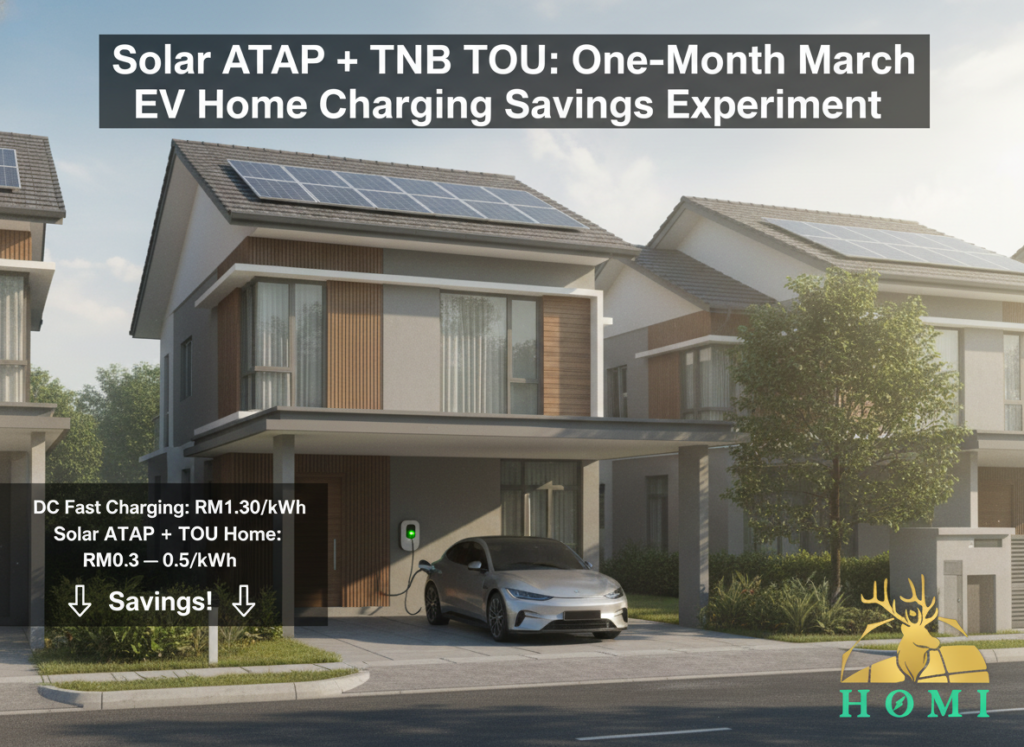


Happy New Year 2026! As the festive season wraps up, Malaysian homeowners are waking up to a new reality in the renewable energy landscape. The government has officially transitioned from the familiar NEM 3.0 to the new Solar ATAP (Accelerated Tariff Adjustment Program) framework.
If you were “wait-and-seeing” in 2025, the rules of the game have changed. Here is the breakdown of what Solar ATAP 2026 means for your TNB bill and your wallet.
1. The End of “Roll-Over” Credits
Under the old NEM 3.0, excess energy exported to the grid could be stored as credits for up to 12 months. This is no longer the case.
Under Solar ATAP 2026, export credits are calculated on a strictly monthly basis. Any excess credit not used to offset your bill within the current billing cycle is forfeited immediately. You cannot save sunny days in January to pay for rainy days in November.
2. Why “Filling the Roof” is Now a Bad Strategy
Previously, installers would tell you to maximize your roof space. “Install as many panels as possible to zero out your bill!” they said.
In 2026, Oversizing = Wasting Money.
Because credits forfeit monthly, installing a system that produces way more than you consume during the day means you are essentially donating free electricity to TNB. Precision sizing based on your daytime usage profile is now the most critical factor in ROI.
☀️ Solar ATAP Sizing Calculator
Check if your current bill justifies a system under the new 2026 rules.
3. Lower Entry Cost, Faster ROI (If Done Right)
The good news? While the export rules are stricter, the cost of Tier-1 Solar Panels has dropped by another 12% entering 2026. This means even with the “Credit Forfeit” rule, your Return on Investment (ROI) can still be achieved in 3.5 to 4 years—IF your system is sized correctly by professionals.
The HOMI Verdict
Solar ATAP 2026 favors the smart user, not the greedy one. It’s no longer about how big your system is, but how efficiently it matches your lifestyle.
🚀 Get a Free Precision Sizing QuoteFrequently Asked Questions
What happens to my solar credits under Solar ATAP 2026?
Unlike NEM 3.0, credits under Solar ATAP do not roll over. Any excess credit remaining at the end of the billing month is forfeited.
Is solar still worth it in Malaysia in 2026?
Yes. Due to reduced equipment costs and rising electricity tariffs, solar remains highly profitable, provided the system is sized correctly to avoid wastage.
Can I stick with NEM 3.0 if I install now?
No. New applications submitted after December 31, 2025, automatically fall under the Solar ATAP framework. Existing NEM users are grandfathered in for 10 years.