
The Final Piece of the Solar Puzzle
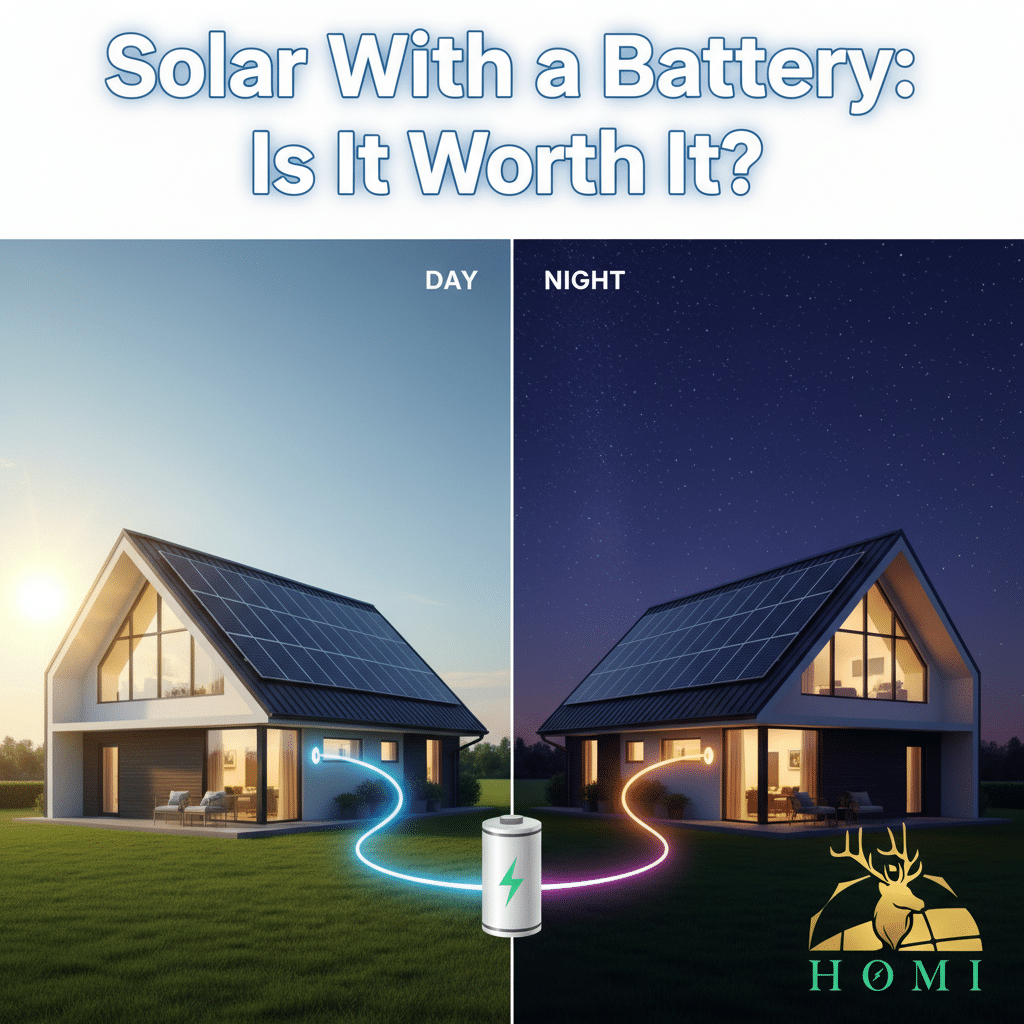
For most homes with a grid-tied solar system, everything works perfectly during the day. Excess energy is exported to the grid via the NEM 3.0 program, offsetting your electricity bill. However, this setup has two inherent limitations:
-
It Stops at Sunset: When the sun goes down, generation ceases, and your home automatically switches back to pulling power from the TNB grid.
-
It Shuts Down During Outages: For safety reasons, when the TNB grid goes down, your solar system automatically shuts down too, leaving you in the dark.
A battery storage system is designed to solve precisely these two problems. But it’s a significant additional investment. Do you really need one?
1. Core Value 1: The Ultimate Blackout Protection
This is the most irreplaceable value a battery offers.
-
Scenario Analysis: While Malaysia’s grid is relatively stable, thunderstorms during the monsoon season, regional maintenance, or accidents can still cause power cuts. The value of a battery multiplies if you:
-
Work From Home (WFH): Rely on a stable internet connection and computer for your livelihood.
-
Have Special Needs: Family members who depend on medical equipment or infants who require a climate-controlled environment.
-
Value Uninterrupted Comfort: Can’t tolerate an evening without internet, air-conditioning, or a functioning refrigerator.
-
-
Decision Point: How much are you willing to pay for the peace of mind that comes with an uninterruptible power supply?
2. Core Value 2: Achieving 24/7 “Solar Freedom”
-
Analyze Your Usage Habits: Take a close look at your home’s peak electricity consumption hours.
-
The “Night Owl” Household: If your family is mostly out during the day and your peak usage is between 6 PM and 11 PM (running air-cons, cooking, watching TV), a battery offers significant economic benefits. It stores free solar energy from the day to power your home through the evening peak, minimizing the electricity you need to buy from TNB.
-
The “Daytime Dweller” Household: If someone is always home during the day (e.g., retirees, homemakers) and most high-consumption appliances are used when the sun is shining, the NEM 3.0 program is already offsetting most of your bill. The economic urgency for a battery is lower.
-
-
Decision Point: Is your peak energy consumption misaligned with peak solar generation?
3. Core Value 3: Budget vs. Return on Investment (ROI)
-
The Reality: A battery is currently the most expensive component of a residential solar system. It will significantly extend the payback period of your entire investment.
-
Cost-Benefit Analysis:
-
Under Malaysia’s current NEM 3.0 policy, the grid acts as a “free virtual battery” in a financial sense (with its 1-for-1 credit offset). Therefore, if your primary goal is the fastest possible ROI, a solar-only system that maximizes the NEM program is the more economical choice.
-
If your goal is maximum bill reduction and energy independence, and your budget allows for it, a battery is a must-have.
-
Decision Checklist: Who It’s For vs. Who Can Wait
A battery is HIGHLY RECOMMENDED for you if:
-
[✅] Your area has an unstable grid with frequent power outages.
-
[✅] You or a family member works from home or relies on critical electrical equipment.
-
[✅] Your household’s peak energy consumption is in the evening.
-
[✅] Your budget is sufficient, and you prioritize lifestyle, comfort, and energy security over the fastest possible ROI.
You can probably WAIT on a battery if:
-
[❌] Your number one goal is the shortest investment payback period.
-
[❌] Your grid power is extremely reliable and rarely goes down.
-
[❌] The majority of your electricity consumption is during the daytime.
-
[❌] You have a limited budget and would prefer to invest in more solar panels first.
Conclusion:
The decision to get a battery is essentially a choice between maximum economic efficiency and a premium user experience with energy security. It’s not just a math problem; it’s a decision about your lifestyle and priorities.